Source Customized Printed Keffiyeh Scarf for Fashion, Travel, and Sun Protection
Explore 30 listings for customized printed keffiyeh scarf options including chiffon, satin, and cotton voile materials. Buyers can compare sizes, customization services, and pricing to find suitable suppliers for fashion, travel, and sun protection needs; compare the available evidence and request quotations based on your requirements.
Key considerations
Products List


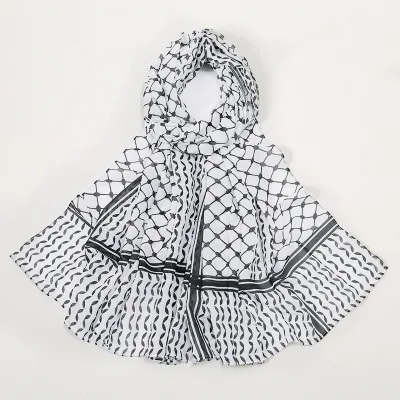


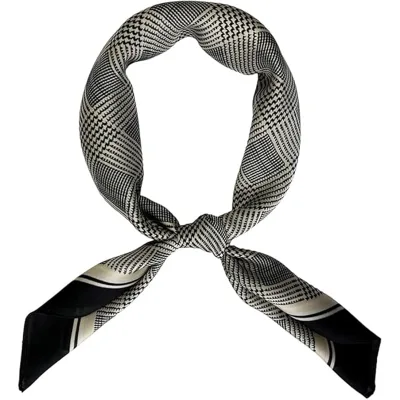


Comprehensive Sourcing Guide
Customized Printed Keffiyeh Scarf Sourcing Guide
Sourcing customized printed keffiyeh scarves requires a nuanced understanding of textile variations, as the term often encompasses diverse fabric types beyond traditional cotton. Buyers must distinguish between standard cotton blends and alternative materials like chiffon, satin, or composite fabrics that offer different drapes and print qualities. The market presents a wide array of options, including voile and polyester-cotton mixes, each suited for specific seasonal needs and aesthetic preferences. Understanding these material distinctions is critical for aligning product selection with target customer expectations regarding comfort, durability, and visual appeal.
Procurement strategies should also account for the extensive customization capabilities available from manufacturers, particularly those based in major textile hubs like Zhejiang, China. Suppliers frequently offer bespoke services for logos, labels, and colors, allowing brands to create unique identity markers. However, this flexibility introduces complexity in quality control and consistency. Buyers need to establish clear specifications early in the process to ensure that the final product matches the intended design, whether it involves digital printing, screen printing, or heat transfer methods, while maintaining high-quality standards across large production runs.
Product Scope and Observed Listing Signals
The current market landscape for customized printed scarves includes a variety of product types, ranging from traditional keffiyeh styles to modern turban designs and general fashion scarves. Listings often highlight features such as multiple color options, custom logo integration, and specific packaging formats like OPP bags, zipper bags, or boxes. These signals indicate a mature supply chain capable of handling diverse branding requirements. Buyers should observe that product models vary significantly, from simple chiffon designs to more complex composite structures, reflecting the adaptability of manufacturers to different fashion trends and functional needs.
Observed listing data suggests a broad price range and flexible minimum order quantities, catering to both small boutique orders and large-scale corporate purchases. The presence of standard packaging and customizable labeling options points to a focus on retail readiness and brand differentiation. Additionally, attributes such as "high quality" and specific model numbers like CEH-H1001 provide tangible reference points for buyers. However, these labels are observational and should be verified through direct supplier communication. The diversity in product types, including long-sleeve variations and specific size standards like 70*180cm, underscores the importance of precise specification matching during the sourcing phase.
Technical Specifications to Verify
Verifying technical specifications is paramount when sourcing customized printed scarves, as dimensions and material compositions can vary widely between suppliers. Buyers must confirm exact dimensions, such as the commonly cited 70180cm or 110110cm standards, to ensure compatibility with intended styling and usage. Material composition is another critical factor, with options including chiffon, satin, voile, and polyester-cotton blends. Each material offers distinct properties regarding weight, transparency, and print absorption, which directly impact the final product's appearance and feel. Clear communication of these specifications prevents discrepancies between samples and bulk production.
Print quality and method are equally important technical considerations. Suppliers may offer digital, screen, or heat transfer printing, each with different durability and color fidelity characteristics. Buyers should verify the pattern type, whether it is printed, custom-designed, or falls under other categories, and ensure that the chosen method aligns with the desired aesthetic and longevity. Additionally, details such as sleeve length for specific styles and the overall model number should be documented to maintain consistency. Establishing these technical parameters early in the sourcing process helps in creating accurate product descriptions and managing customer expectations effectively.
Compliance and Safety Documentation
Compliance and safety documentation are essential components of the sourcing process, ensuring that products meet regulatory standards in target markets. While specific certifications like CCC and CE are mentioned in some listings, buyers must verify the relevance and validity of these documents for their specific region and product category. It is crucial to understand that certifications may apply to manufacturing processes or specific product lines rather than the entire range of scarves offered. Buyers should request up-to-date certification copies and confirm that they cover the exact materials and production methods used in the customized orders.
Beyond formal certifications, buyers should inquire about safety standards related to textile chemicals and flammability, especially if the scarves are intended for children or specific age groups. Although some listings mention adult usage, ensuring compliance with general textile safety regulations is a best practice. Documentation should also include information on the origin of materials, such as the use of high-quality chiffon or satin, to support claims of product quality. Maintaining a robust compliance framework not only mitigates legal risks but also enhances brand credibility by demonstrating a commitment to safety and regulatory adherence in all procurement activities.
Cost Drivers and Commercial Terms
Cost drivers in the customized printed scarf market include material selection, print complexity, and order volume. High-quality materials like chiffon and satin typically command higher prices compared to standard cotton blends, while intricate custom designs and multiple color variations can increase production costs. Minimum order quantities (MOQs) also play a significant role, with ranges varying from small batches to larger industrial orders. Buyers should negotiate terms that balance cost efficiency with the need for flexibility, especially when testing new designs or entering new markets. Understanding these variables helps in creating accurate budget forecasts and avoiding unexpected expenses.
Commercial terms such as delivery time and payment conditions are critical for supply chain planning. Some suppliers offer rapid turnaround times, such as within seven days after final payment, which can be advantageous for agile brands. However, these expedited services may come at a premium. Buyers should also consider the implications of custom packaging and labeling on overall costs and lead times. Clear agreement on these terms ensures smooth transactions and minimizes disruptions. By carefully evaluating cost drivers and commercial terms, buyers can optimize their procurement strategy to achieve both cost-effectiveness and operational efficiency.
Supplier Qualification and Quality Control
Supplier qualification is a foundational step in sourcing customized printed scarves, requiring a thorough assessment of manufacturing capabilities and quality control processes. Buyers should verify the supplier's experience with specific materials and printing techniques, ensuring they have a proven track record in producing high-quality scarves. Quality control measures, such as pre-production samples and in-line inspections, are essential to maintain consistency across large orders. Suppliers offering custom logo and label services should demonstrate precision in these areas to ensure brand integrity. Establishing a strong relationship with a qualified supplier enhances product reliability and reduces the risk of defects.
Quality control extends to the final product inspection, where buyers should check for issues like color bleeding, pattern alignment, and fabric defects. Suppliers with robust QC systems will provide detailed inspection reports and allow for third-party verification if necessary. Buyers should also assess the supplier's ability to handle customizations, such as specific sizes and patterns, without compromising quality. By prioritizing supplier qualification and rigorous quality control, buyers can ensure that their customized scarves meet the highest standards of excellence, fostering customer satisfaction and brand loyalty in competitive markets.
Long-Term Procurement Checks
Long-term procurement checks involve continuous monitoring of supplier performance and market trends to ensure sustained value and quality. Buyers should regularly review supplier metrics, including on-time delivery rates, defect rates, and responsiveness to issues. Establishing key performance indicators (KPIs) helps in objectively evaluating supplier contributions and identifying areas for improvement. Additionally, staying informed about emerging textile technologies and printing methods can provide opportunities for innovation and cost savings. Regular audits and feedback loops with suppliers foster a collaborative environment focused on continuous improvement and mutual growth.
Market trend analysis is also crucial for long-term success, as consumer preferences for scarf styles, materials, and customization options evolve rapidly. Buyers should engage in periodic reviews of product offerings to ensure alignment with current fashion trends and customer demands. This proactive approach allows for timely adjustments in sourcing strategies and product development. By maintaining a dynamic and responsive procurement process, buyers can mitigate risks, capitalize on new opportunities, and sustain a competitive edge in the ever-changing landscape of customized printed scarves.
FAQs
What materials are used for the customized printed keffiyeh scarf?
The scarves are made from high-quality chiffon, satin silk, or polyester cotton blends. These materials ensure durability and comfort for adult wearers. Customization options allow for specific fabric choices to meet your brand requirements.
Can I order a custom logo on the hijab or scarf?
Yes, custom logos and labels are available for these products. You can request specific printing methods like digital or screen printing. This service allows you to brand the items effectively for your target audience.
What is the minimum order quantity for these scarves?
The minimum order quantity is typically 100 pieces per item. Some listings may accept orders starting from 2 pieces, but standard bulk orders begin at 100. This ensures efficient production and packaging for your business needs.
How long does it take to receive the order after payment?
Delivery time is within 7 days after the final payment is received. This fast turnaround applies to standard orders with confirmed specifications. Please note that lead times may vary based on the complexity of customization.
Which certifications do the products hold for safety and quality?
The products hold CCC and CE certifications to ensure safety and quality standards. These certifications verify that the manufacturing processes meet international requirements. Buyers can rely on these standards for compliance in various markets.
What are the standard dimensions for the chiffon and satin scarves?
Standard sizes include 70 by 180 centimeters for chiffon and 110 by 110 centimeters for voile types. Specific models like the Korean style or composite chiffon may have different dimensions. Custom sizes are also available upon request.
Where are these scarves manufactured and shipped from?
The products originate from Zhejiang, China, and other locations within the country. Suppliers are located in major manufacturing hubs to ensure quality control. Shipping is handled via standard packaging methods to protect the goods during transit.